
Advanced Pain & Spine Centre · Marathahalli, Bangalore
Advanced pain treatment in Bangalore that gets you moving again
From regenerative therapy and image-guided interventions to endoscopic spine surgery, AIKYA offers the complete range of modern spine and pain care under one roof, led by an internationally certified specialist.
- Same-day appointment slots
- C-arm & ultrasound guided suite
- Insurance assistance
- EMI facility
- Free tele-consultation
Appointment Enquiry
Our coordinator handles the rest on the call.
Treated by a top-certified doctor
Dr. Kalpana K: FIPP (USA) board certified, all-India first rank in the FIAPM fellowship
Diagnosis before treatment
Written plan with options, recovery time and cost at your first visit
Same Day Discharge
Most procedures are day-care: under an hour, with no overnight stay
Insurance Desk
Insurance assistance with EMI options available
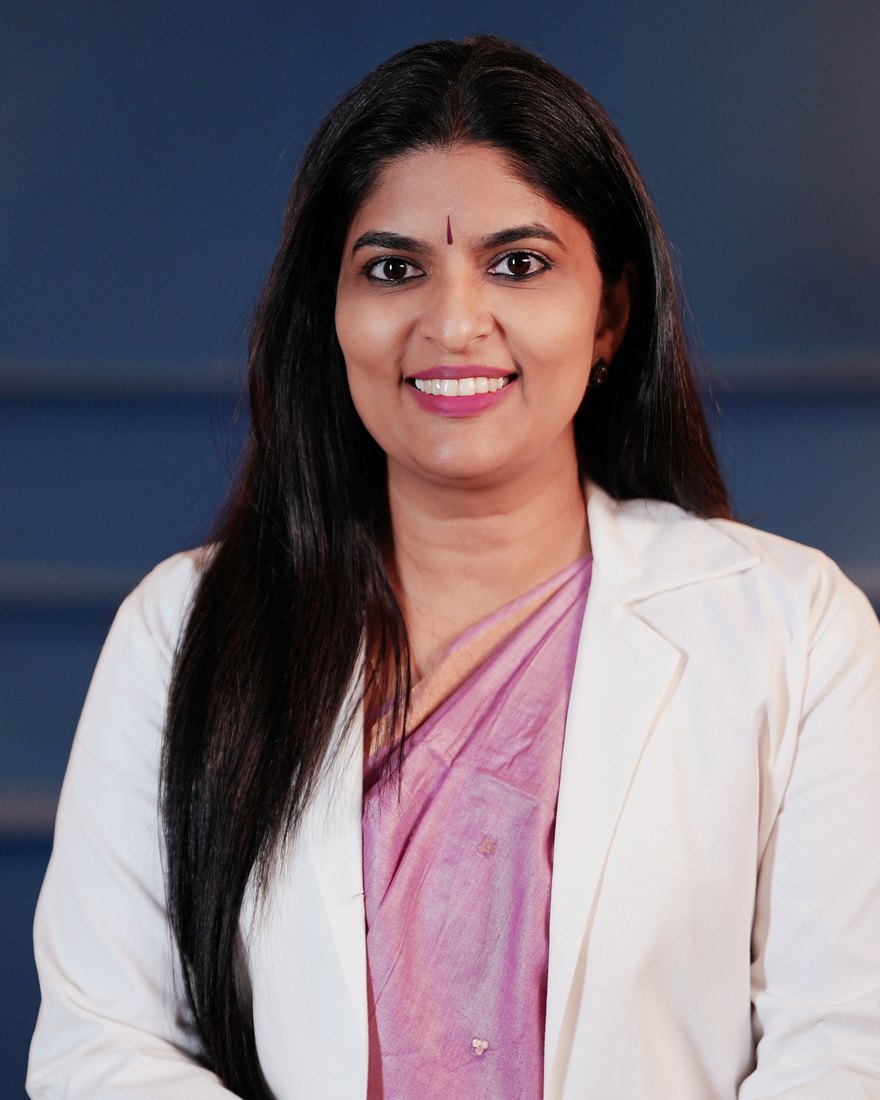
About Us · Founder & CEO
Dr. Kalpana K
MBBS
MD
FIPP (USA)
FIAPM (Gold Medal)
Reg. No. 70967
Dr. Kalpana K is an interventional pain specialist and the founder of AIKYA Pain and Spine Centre, Marathahalli. She holds the FIPP (Fellow of Interventional Pain Practice, USA), the international board certification in interventional pain medicine, and was awarded the gold medal for first rank nationwide in the FIAPM fellowship examination.
"Most chronic pain I see has been treated for years without ever being properly diagnosed. The diagnosis is the treatment plan."
Our Services
Four pillars of pain and spine care, one centre
From prevention to surgery, every stage of spine and pain care under one roof, sequenced to what your diagnosis actually needs.
Pillar 01 · Surgical
Surgical & Peri-operative Care
Advanced spine surgery through keyhole approaches, with day-care discharge wherever the case allows.
What this includes
- Endoscopic spine surgery
- Minimally invasive procedures
- Surgical consultations
- Day-care surgeries
Pillar 02 · Interventions
Interventional Pain & Regenerative Therapy
Precision procedures under ultrasound and fluoroscopy guidance that treat the pain source directly.
What this includes
- Radiofrequency ablation (RFA) & Coolief
- Nerve blocks
- Epidural injections
- Platelet Rich Plasma (PRP) therapy
- Spinal interventions
- Ultrasound / fluoroscopy-guided procedures
Pillar 03 · Rehabilitation
Recovery & Functional Restoration
Structured rehabilitation that turns relief into lasting strength, mobility and confidence.
What this includes
- Physiotherapy
- Exercise therapy
- Post-procedure rehabilitation
- Spine rehabilitation
- Movement restoration
Pillar 04 · Wellness
Prevention & Long-term Wellbeing
Everything that keeps a treated spine healthy, and an untreated one out of trouble.
What this includes
- Lifestyle modification
- Ergonomics
- Preventive spine care
- Yoga
- Nutrition
- Pain education
- Healthy ageing
Not sure which of these you need?
That is the point of the first consultation. We examine, find the source of the pain, and tell you which of the four applies to you.
Conditions We Treat
Where does it hurt? The pain conditions we treat
Start with the pain you are living with. Every condition below has a clear treatment pathway at AIKYA, from first assessment to lasting relief.
Knee Pain
Neck Pain
Migraine Pain
Shoulder Pain
Trigeminal Neuralgia Pain
Sports Injury Pain
Cancer Pain
Sciatica Pain
Facial Pain
Frozen Shoulder Pain
Slipped Disc Pain
Spondylosis Pain
Hip Joint Pain
Plantar Fasciitis Pain
Nerve & Neuropathic Pain
Osteoporosis & Spinal Fractures
Post Surgical Pain
Abdominal Pain
Pelvic Pain
Vascular Pain
CRPS Pain
Not sure what is causing your pain?
Start with a free tele-consultation, or walk in with your reports. We will point you in the right direction.
Awards & Recognition
Recognised by the pain medicine community, and by the press
National awards, a gold medal fellowship and invited faculty appearances at India's leading pain and anaesthesia conferences.
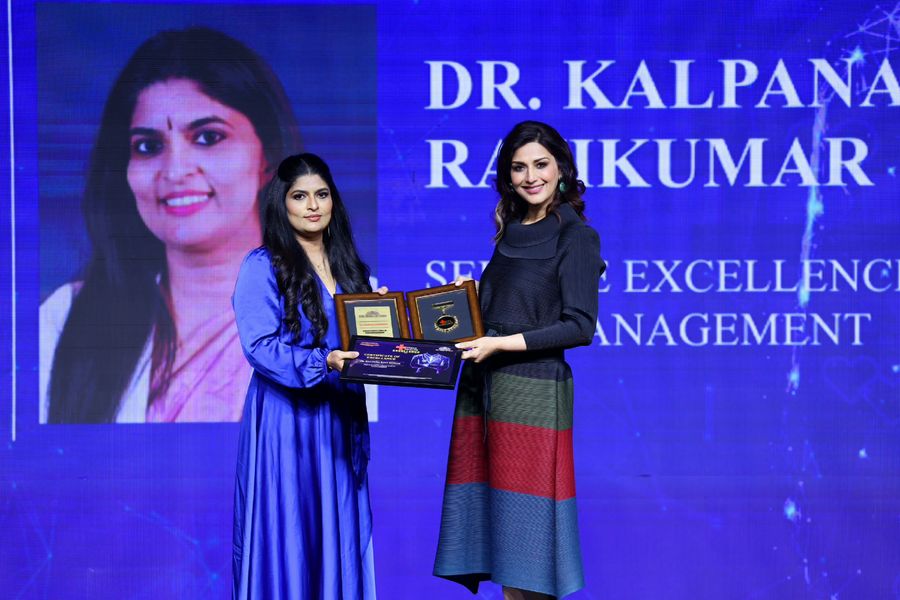
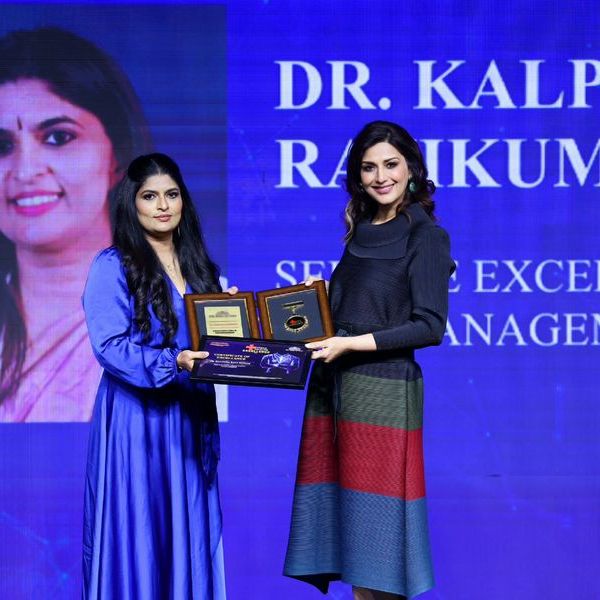
Times Health Excellence Award
Dr. Kalpana Ravikumar receives the Times Health Excellence recognition for Service Excellence in Pain Management, presented on stage at The Times of India's health excellence ceremony.
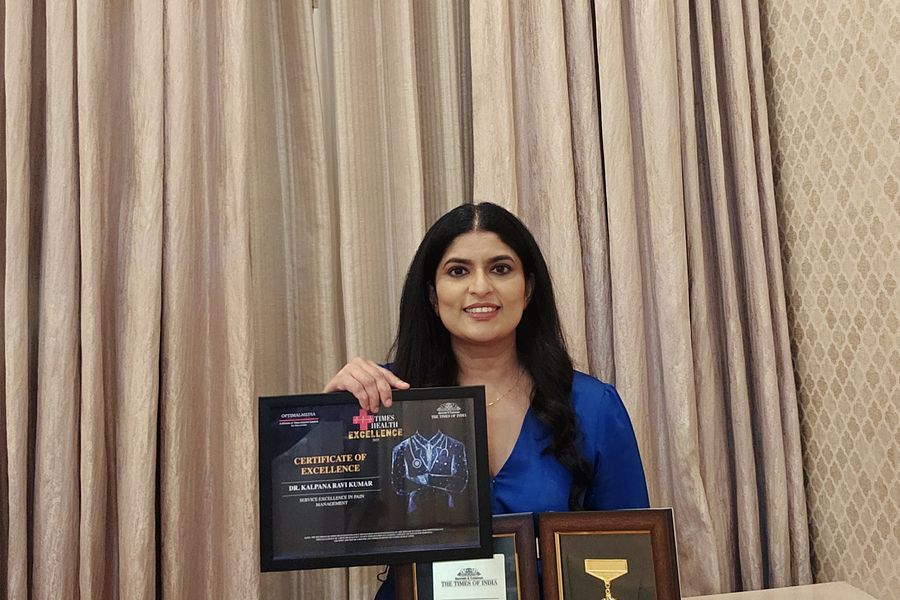
Service Excellence in Pain Management
Dr. Kalpana with the certificate, plaque and medallion conferred on her by The Times of India's Times Health Excellence initiative, recognising consistent, patient-centred outcomes in pain management practice.
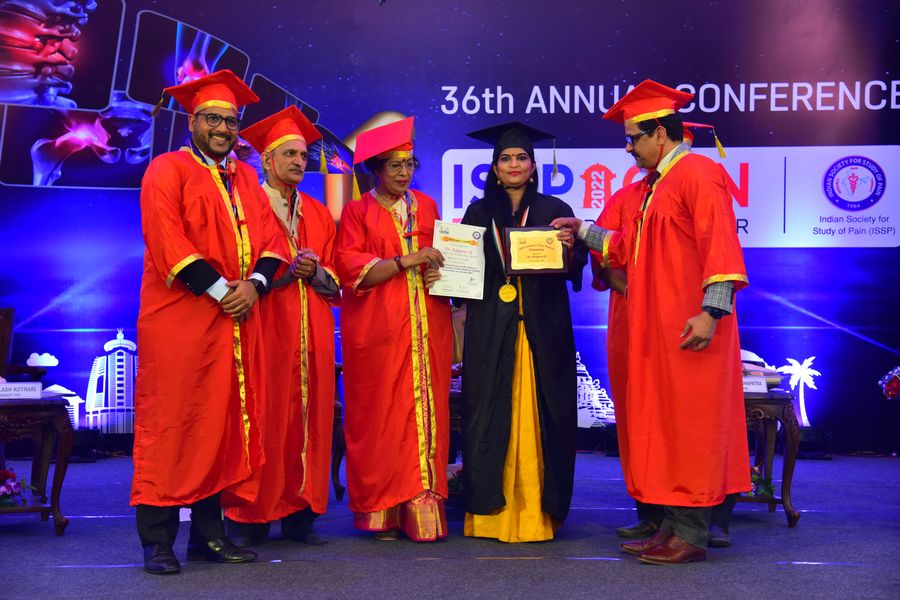
FIAPM conferred with the Gold Medal
Dr. Kalpana K is conferred the Fellowship of the Indian Academy of Pain Medicine at the 36th National Conference of the Indian Society for Study of Pain, Bhubaneswar, after securing first rank in the FIAPM examination.
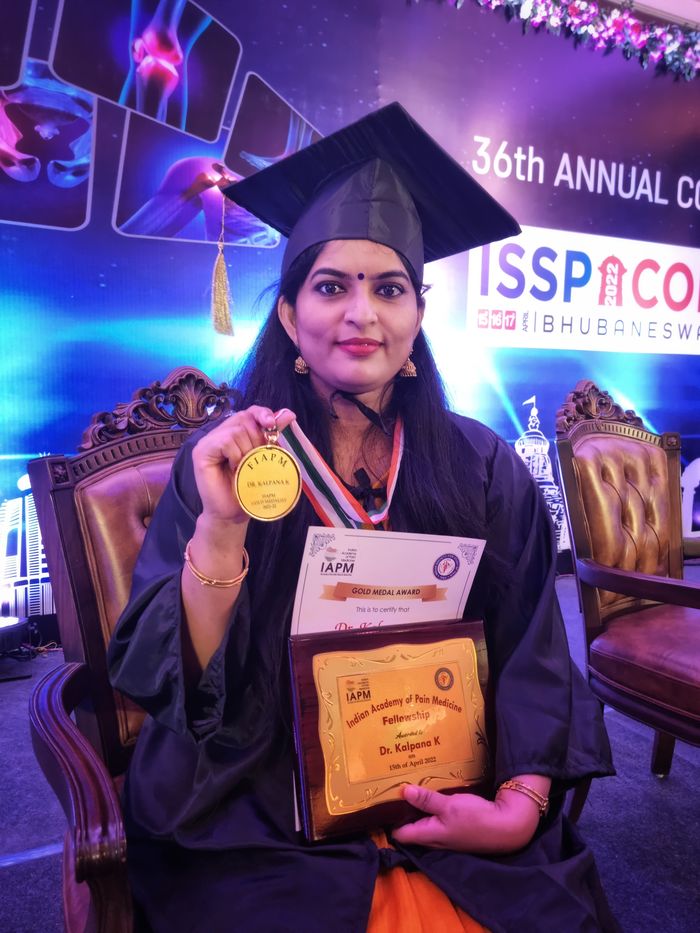
FIAPM Gold Medallist, 2021-22
Dr. Kalpana with the Gold Medal and Fellowship plaque of the Indian Academy of Pain Medicine, awarded to her on 15 April 2022 for the highest rank nationwide in the IAPM fellowship examination.
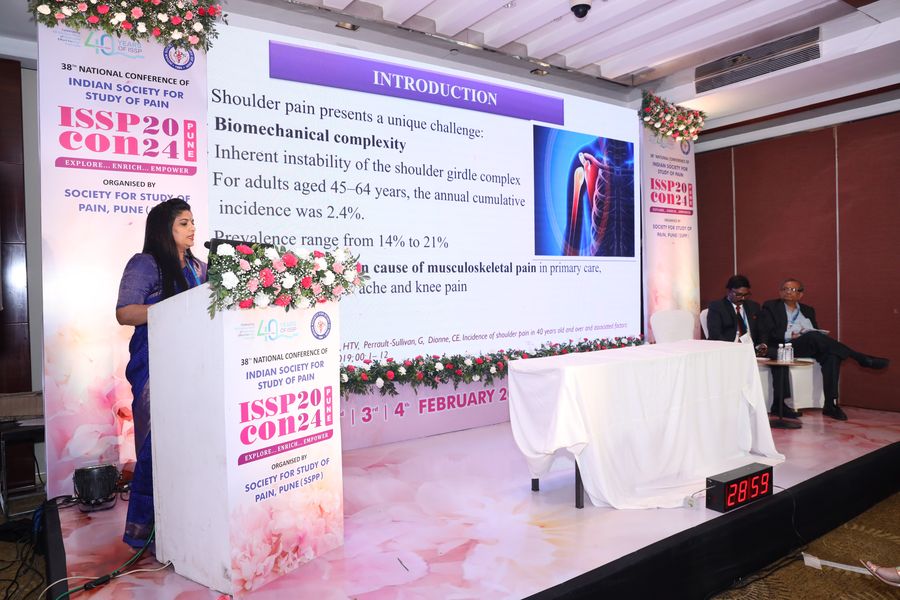
Faculty, ISSPCON 2024, Pune
Dr. Kalpana as invited faculty at the 38th National Conference of the Indian Society for Study of Pain, addressing pain physicians from across the country during the society's 40th anniversary year.
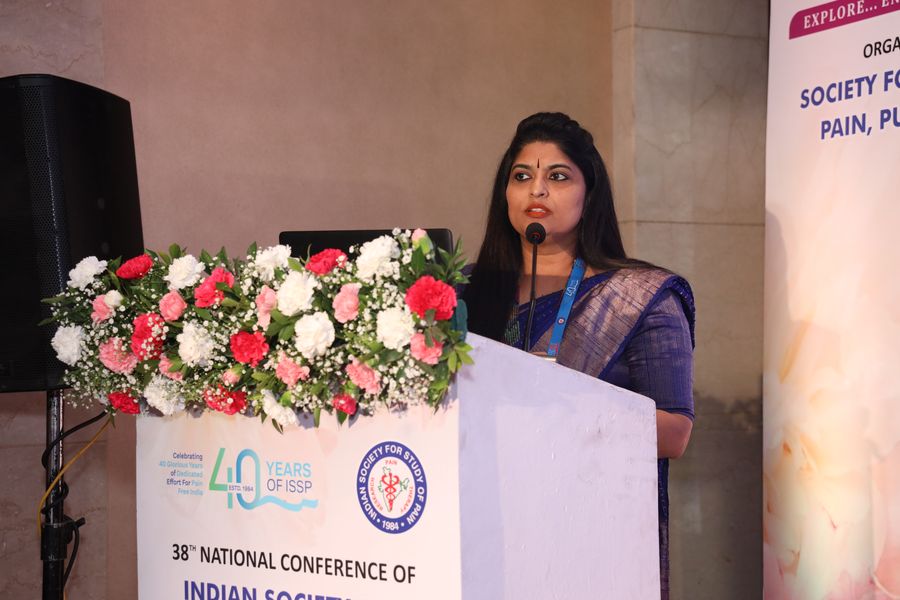
Scientific presentation, ISSPCON 2024
Dr. Kalpana presenting on the assessment and management of complex shoulder pain to a national audience of pain medicine specialists at ISSPCON 2024.
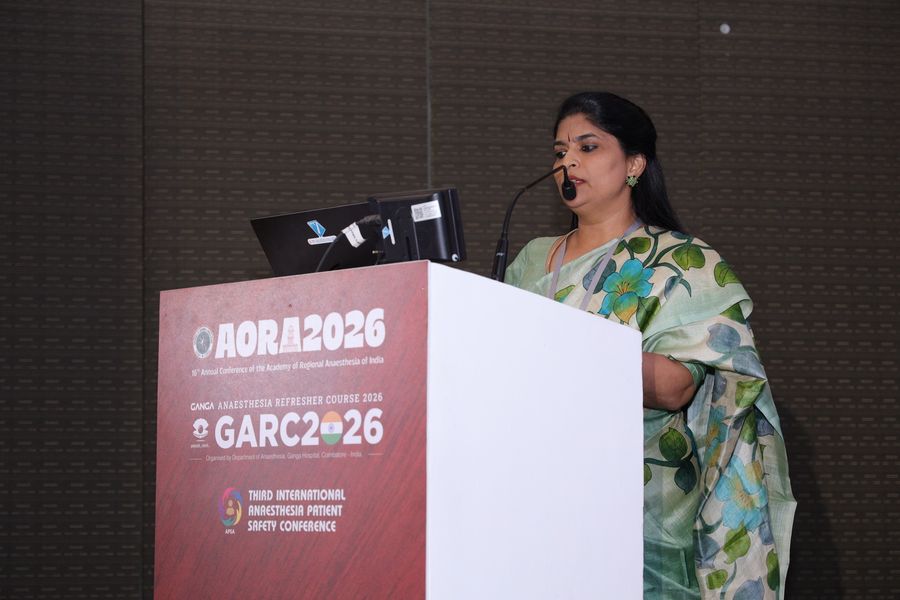
Invited speaker, AORA 2026, Coimbatore
Dr. Kalpana speaking as invited faculty at the 16th Annual Conference of the Academy of Regional Anaesthesia of India, held alongside the Ganga Anaesthesia Refresher Course 2026 and the Third International Anaesthesia Patient Safety Conference.
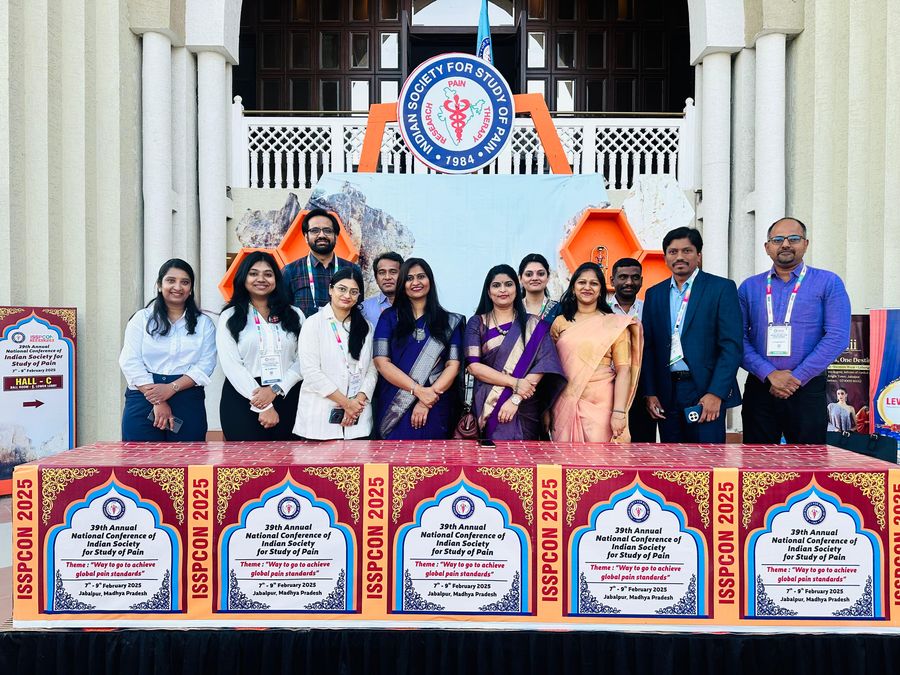
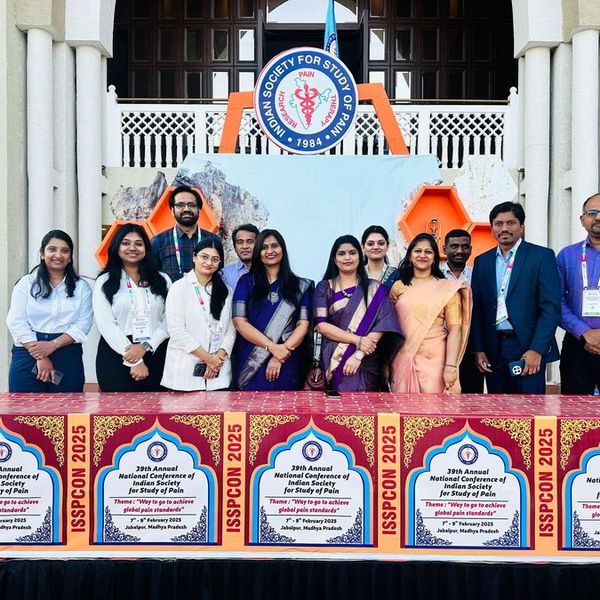
ISSPCON 2025, Jabalpur
Dr. Kalpana with colleagues from India's pain medicine community at the 39th Annual National Conference of the Indian Society for Study of Pain, themed on achieving global pain standards.
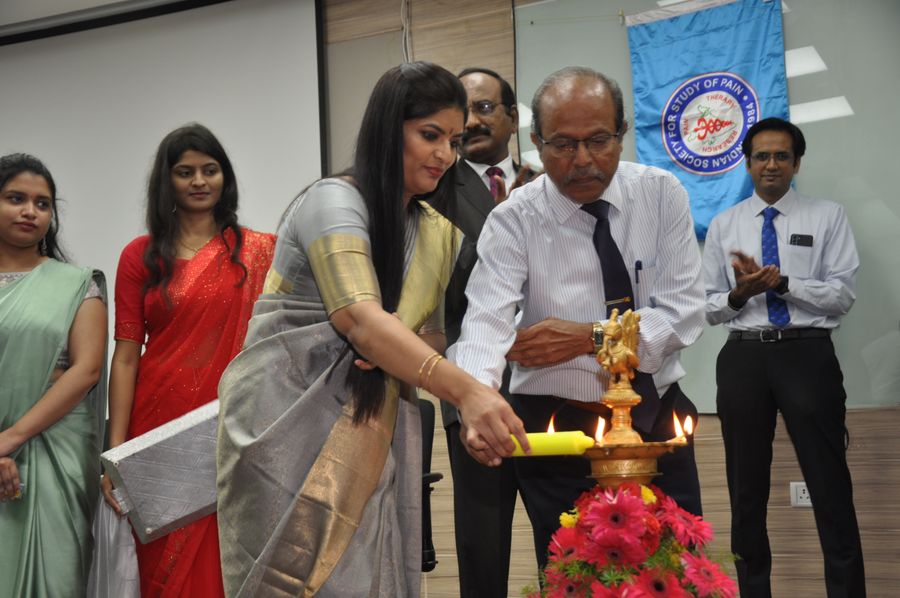
ISSP academic programme
Dr. Kalpana lighting the ceremonial lamp at an academic event of the Indian Society for Study of Pain, a professional community she contributes to as member and invited faculty.
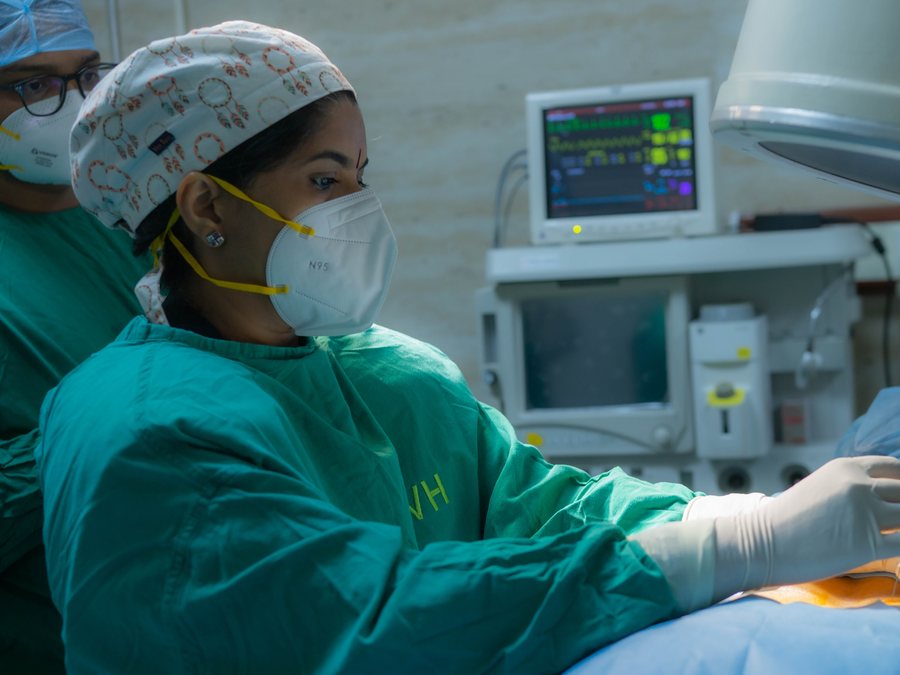
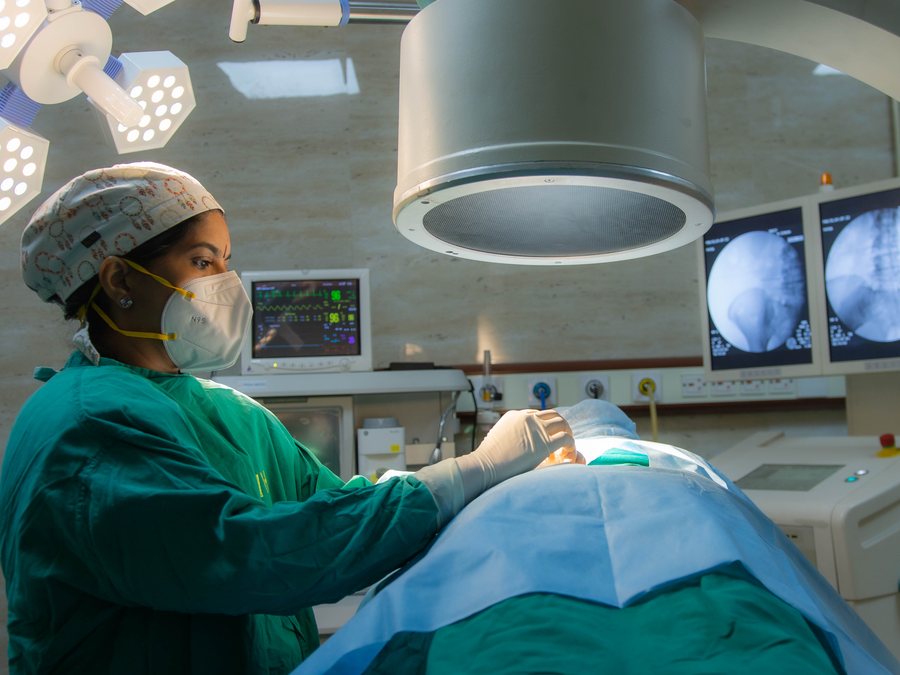
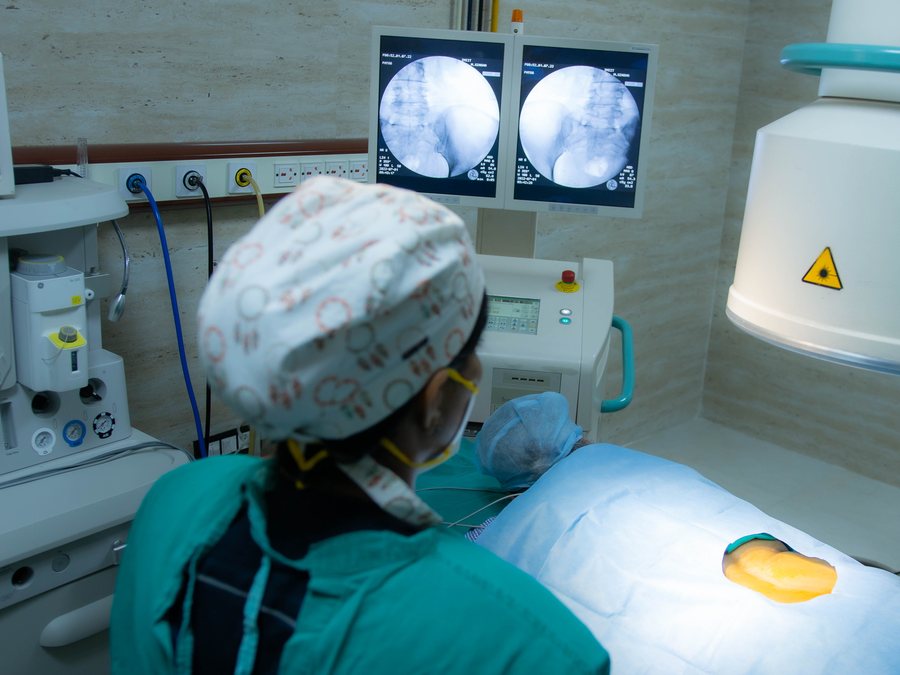
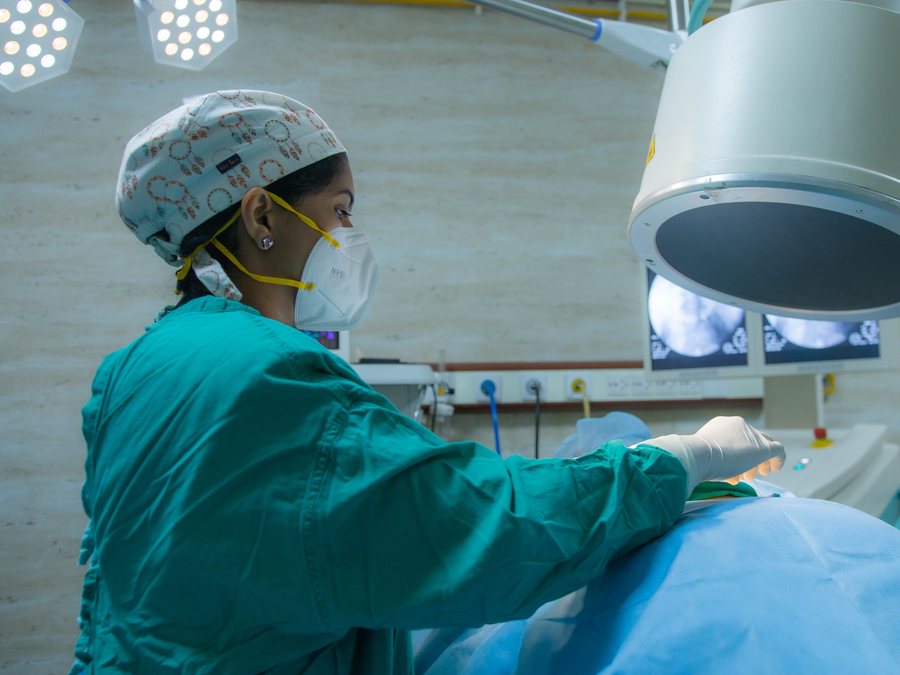
Inside the OT
Dr. Kalpana K performing pain procedures
Precision work under imaging guidance in our operation theatre and day-care procedure suite. What patients never see from the waiting room.
Watch & Learn
Watch more on YouTube
Your pain, explained by Dr. Kalpana
Short, straight-talking videos on what causes your pain, how our image-guided procedures work, and what recovery really looks like. Recorded for patients and their families, not for doctors.
From our Instagram
Follow @aikyapainandspine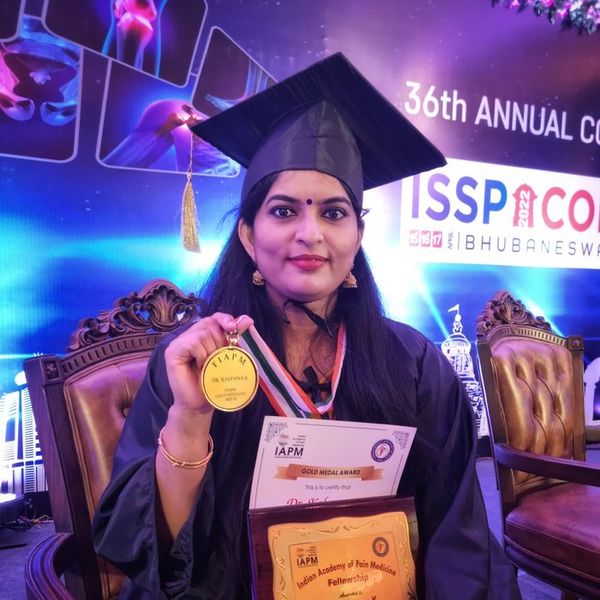
How It Works
Your journey to pain relief
Eight clear steps from first conversation to lasting recovery, with no guesswork at any stage.
1
Talk to a Pain Specialist
A detailed first consultation about your pain, your history and how it affects your day.
2
Comprehensive Assessment
We map the location, intensity, duration and likely causes of your pain.
3
Advanced Diagnosis
Targeted imaging and diagnostic tests pinpoint the exact source of the pain.
4
Identify the Root Cause
Reports and clinical findings together reveal why it hurts, not just where.
5
Personalised Treatment Plan
A written plan built for you: medication, physiotherapy, injections or minimally invasive procedures.
6
Advanced Pain Interventions
When needed, image-guided nerve blocks, epidural injections or radiofrequency procedures target the source directly.
7
Rehabilitation & Recovery
Relief is only the beginning. Structured physiotherapy rebuilds mobility, strength and confidence.
8
Long-Term Pain Management
We track your progress and guide you toward lasting relief and a better quality of life.
Patient Stories
What our patients say about treatment at AIKYA
5/5
Rated 5 out of 5 stars on Google
“I had been advised spine surgery by two hospitals. At AIKYA they explained exactly which nerve was involved and treated it with a targeted procedure. I was walking normally in a week.”
“Twelve years of neck pain from desk work. The doctor took time to actually examine me instead of just reading the MRI. The difference after the second session was obvious.”
“My mother is 71 and we were worried about anaesthesia. The procedure was done in under an hour and she was home by evening. The follow-up calls made a real difference.”
Read all patient reviews
Read all reviews on Google
Why people come to us
Find the right pain treatment for what you searched
These are the four situations that bring most patients to AIKYA. Each one has a clear answer.
"Sciatica treatment in Bangalore"
Shooting pain from the lower back down one leg. Most cases are treated in a single day-care visit once the exact nerve root is identified.
Read the sciatica guide
"Knee pain treatment without surgery"
Regenerative therapy, genicular nerve procedures and structured rehabilitation before anyone talks about replacing the joint.
See knee pain options
"Which doctor to consult for headache"
"Second opinion before spine surgery"
Recurrent headaches and migraine respond to specialist diagnosis and targeted interventions, not stronger painkillers on repeat.
Meet the headache specialistIf surgery has been advised elsewhere, one consultation with your MRI tells you whether a precision procedure can achieve the same relief.
Book a second opinion
Common Questions
Pain treatment questions patients ask us most
Can chronic pain be treated without surgery?
Yes. Most chronic pain conditions can be managed with advanced, minimally invasive treatments, and surgery is rarely the first step. At AIKYA Pain and Spine Centre, Bangalore, the goal is to identify the actual source of your pain and treat it precisely. Early treatment matters: do not let pain become your normal.
Do I need surgery for a slipped disc or sciatica?
Not always. Depending on the cause and severity, many patients with a slipped disc or sciatica improve with non-surgical pain management. A pain management specialist evaluates your condition first, before anyone decides whether surgery is truly necessary. The sooner you are assessed, the more options you have.
What conditions does a pain management specialist treat at AIKYA?
AIKYA treats back pain, neck pain, sciatica, slipped discs, knee osteoarthritis, hip AVN and arthritis, joint pain, nerve pain, headaches and many chronic pain conditions. Treatment is planned around the cause of your pain, not simply masking the symptoms. If pain is stopping you from working, sleeping, travelling or enjoying your family, it deserves specialist attention.
Are pain-relief injections safe?
Yes. When properly diagnosed and performed by an experienced pain specialist, most pain-management injections are minimally invasive and generally considered safe. At AIKYA, the treatment, risks and expected benefits are explained before any procedure, so you can make an informed decision instead of avoiding treatment out of fear.
How long does pain relief last after a procedure?
It depends on the diagnosis, because we identify and treat the underlying cause rather than the symptom alone. Most patients experience significant relief quickly, while some follow a planned programme that adds rehabilitation or counselling. The aim is not temporary relief but lasting improvement in how you move, function and live.
What happens during the first tele-consultation?
A trained specialist reviews your pain history, symptoms, lifestyle and previous treatments, along with any scans or reports. Based on that evaluation, you are guided to the most appropriate treatment options for your condition. The first consultation is not just about finding where it hurts; it is about finding out why it hurts and what can be done.
How much does pain management treatment cost?
The cost depends on your diagnosis, the investigations needed and the treatment recommended; no single price fits every patient. After evaluation, the AIKYA team explains the recommended plan and its costs clearly, with insurance assistance and EMI options available. Choose the right diagnosis and plan, not just the lowest price.
Can I go home the same day after a procedure?
Yes, in most cases. Most minimally invasive procedures at AIKYA are performed as day-care treatments, so suitable patients go home the same day. Your doctor confirms what is appropriate and safe for you before anything is scheduled. Effective care does not have to put your life on hold.
Is pain management only for severe or chronic pain?
No. You do not have to wait until pain becomes unbearable or starts affecting your sleep, work or daily life. Early evaluation identifies the cause and prevents a manageable problem from becoming a long-term one. Getting the right advice early can make all the difference.
From the Blog
Doctor-reviewed answers to what you're searching
Every article is written for patients, reviewed by Dr. Kalpana, and answers one real question people ask Google.
Medically reviewed by Dr. Kalpana K, MBBS, MD, FIPP (USA), FIAPM. Medical Reg. No. 70967.
 Headache & Migraine
Migraine vs tension headache: how to tell the difference
The two most common headaches are treated completely differently. Here is how a specialist separates them in one consultation.
Read article Spine Care
When back pain needs a doctor, and when it doesn't
Most back pain settles in weeks. A specific short list of signs means you should stop waiting and get assessed.
Read article Knee & Joints
PRP for knee pain: what the evidence actually says
Regenerative therapy is real medicine with real limits. What it can do, what it cannot, and who benefits most.
Read articleChoosing a pain clinic in Bangalore: what actually matters
Bangalore has no shortage of places that will treat your pain. It has very few that will first find out exactly what is causing it. This guide explains what a dedicated pain and spine centre does, which treatments modern pain medicine offers, and how to judge whether a clinic deserves your trust, whether you choose AIKYA or anyone else.
What a pain clinic does that a general hospital doesn't
When pain lasts beyond a few weeks, the typical journey in Bangalore runs through a familiar loop: a general physician, a course of painkillers, an orthopaedic referral, an MRI, and eventually a conversation about surgery. At no point in that loop does anyone specialise in the pain itself. Pain medicine is its own discipline, with its own international board certification, and its central skill is identifying the precise structure generating your pain: a specific nerve root, a facet joint, a disc, a tendon insertion.
That precision matters because scans mislead. Disc bulges appear on MRIs of people with no pain at all, which is why treating the scan instead of the patient so often fails. A pain specialist correlates your examination findings with your imaging, and when the source is still unclear, uses a diagnostic block, a small anaesthetic injection at a suspected nerve, to confirm the pain generator before any definitive treatment. The diagnosis is the treatment plan.
The conditions we treat every week
At AIKYA the case mix reflects how Bangalore lives and works. Lower back pain and sciatica from long sitting and longer commutes. Neck and shoulder pain from a decade of desk work on the ORR corridor. Knee pain in parents who have quietly stopped climbing stairs. Recurrent headache and migraine that has been managed with strips of painkillers instead of a diagnosis. Slipped and bulging discs, trigeminal neuralgia, sports injuries, and the long-standing chronic pain that has already toured several hospitals without an answer.
The AIKYA care pathway
Every step is matched to your diagnosis. Mind wellness support runs alongside all four.
- 1 DiagnoseExamination, imaging review and diagnostic blocks
- 2 TherapyPRP, prolotherapy, infusion therapies, physiotherapy
- 3 InterveneRadiofrequency, epidurals, nerve blocks
- 4 AdvancedVertebroplasty, neuromodulation
The four stages of care at AIKYA Pain and Spine Centre. Patients enter at the stage their diagnosis requires.
The treatments, from therapy to advanced procedures
Treatment at a modern pain centre is a spectrum, and where you start depends entirely on your diagnosis, not on a fixed menu. For early and moderate disease, therapy leads: platelet-rich plasma and prolotherapy to stimulate healing in joints and tendons, structured physiotherapy to rebuild the strength that protects a spine, dry needling for stubborn muscular pain.
When a nerve or joint is the confirmed source, interventional procedures take over, and this is the core of what we do. Radiofrequency ablation quiets the small nerves that carry pain from arthritic facet and knee joints. Epidural and transforaminal injections deliver anti-inflammatory treatment to the exact compressed nerve root behind sciatica. Ultrasound-guided and sympathetic blocks release entrapped and overactive nerves. And for painful spinal fractures caused by osteoporosis, vertebroplasty stabilises the bone through a needle, with no open incision and no hospital stay.
These procedures are performed under C-arm or ultrasound guidance in our day-care procedure suite in Marathahalli. Most are done under local anaesthetic, with a few hours of observation and discharge the same evening; the few that need more, such as balloon compression or a neuromodulation implant, are planned with you openly in advance. And because chronic pain rewires sleep, mood and confidence, our mind wellness programme runs alongside the medical treatment rather than being an afterthought.
When to stop waiting and see a specialist
Most new aches deserve two to three weeks of patience, gentle activity and simple pain relief. Beyond that, waiting has a cost: nerves under sustained compression recover more slowly the longer they are squeezed, and pain that persists for months starts to become its own disease. The thresholds below are the ones we teach patients.
When to see a pain specialist
- New pain, under 3 weeksStay active, use simple pain relief, and watch it Self-care
- Pain beyond 6 weeks, or keeps returningIt is unlikely to settle on its own now Book an assessment
- Pain with numbness, tingling or weaknessA nerve may be under sustained pressure See a specialist this week
- Loss of bladder or bowel control, saddle numbnessPossible cauda equina syndrome Emergency: hospital now
Guidance thresholds used at AIKYA. Individual advice always follows examination.
How to judge any pain clinic in Bangalore
Whoever you consult, four checks separate serious pain medicine from a franchise with a C-arm. First, credentials: look for FIPP, the international board certification of the World Institute of Pain, or the Indian FIAPM fellowship. These are examined qualifications in interventional pain, not weekend certificates. Second, ask whether the doctor performs a diagnostic block before an expensive definitive procedure when the source is uncertain. Third, ask for the plan in writing: options, expected recovery, and cost, before you commit. Fourth, ask who manages your rehabilitation afterwards, because a procedure without rehabilitation is half a treatment.
At AIKYA those four are simply how the centre runs. Care is led by Dr. Kalpana K, FIPP (USA) and FIAPM gold medallist, every patient receives a written plan at consultation, and our insurance desk handles approvals for eligible procedures before the treatment date.
What treatment costs, and how insurance works
Cost anxiety keeps many people living with treatable pain, so we handle it in the open. At your first consultation you receive a written plan that states the recommended treatment, the expected number of sessions or procedures, the realistic recovery timeline, and the cost of each element, before anything is scheduled. There are no packages sold in the waiting room and no surprise additions on the day of the procedure.
Because most of our interventional procedures are performed as day-care with an admission and discharge on the same date, many of them are eligible for health insurance cover with the major insurers. Our coordination team checks your policy before your treatment date, tells you exactly what is covered and what is not, and files the pre-authorisation so you are not doing paperwork while managing pain. If a treatment is not covered, you will know the full amount in advance and can decide with complete information.
What recovery actually looks like
Recovery from a modern pain procedure looks nothing like recovery from open surgery, and expectations should be set accordingly. After a typical image-guided procedure you walk within the hour, go home the same evening, and return to desk work within a day or two. Relief usually begins within 24 to 72 hours and builds over two to three weeks as the treated inflammation settles.
What happens next decides whether the relief lasts. Every AIKYA patient leaves with a rehabilitation plan: graded exercises to rebuild the muscles that protect the treated joint or spine segment, posture and workstation corrections for the desk-bound, and scheduled follow-ups where progress is measured rather than assumed. Patients who complete their rehabilitation keep their results at far higher rates than those who stop the day the pain stops, which is why we treat the rehabilitation phase as part of the procedure, not an optional extra sold separately.
The myths that keep people in pain
Three beliefs delay more Bangalore patients than any waiting list. The first is that pain treatment means either a lifetime of painkillers or a major operation, with nothing in between. The entire discipline of interventional pain medicine exists in that space in between, and most of our patients are treated there. The second is that rest heals a painful back. Beyond the first few days, prolonged rest weakens exactly the muscles a painful spine depends on, and staying gently active recovers faster in most cases. The third is that pain in an older parent is simply age and must be endured. Age changes the treatment plan; it does not remove the option of treatment. Some of our best outcomes are in patients over sixty-five who were told to live with it.
If any of those beliefs has been holding you back, a single consultation replaces guesswork with a diagnosis, and a diagnosis with a plan.
Pain specialist or orthopaedic surgeon: who should you see first?
The two roles complement each other, and the honest answer depends on your problem. If you have a fracture, a torn ligament, a deformity or a joint that has structurally failed, an orthopaedic surgeon is the right first door. If your problem is pain itself, back pain, neck pain, nerve pain, joint pain that imaging cannot fully explain, or pain that has outlasted a previous treatment, a pain specialist is trained precisely for that presentation. In practice the two work together: we regularly receive referrals from orthopaedic and neurosurgical colleagues for patients who want relief without an operation, and we refer the other way the moment an examination shows surgery is genuinely the better answer. Being seen by the right specialist first saves months, and often saves the operation itself.
Getting here from anywhere in Bangalore, and beyond
The centre is at S-10, Silver Springs Layout, Munekolalu, Marathahalli, minutes from the Outer Ring Road and the Whitefield corridor. Patients reach us from every part of the city, and because most treatment is single-visit day-care, from Hosur, Tumakuru, Kolar and towns well beyond it. If you are travelling in, tell the coordinator when you book and your assessment, imaging review and procedure will be planned as one trip, with follow-up handled by phone. Consulting hours run Monday to Saturday, 9 AM to 7 PM, with same-day slots held for acute pain. One phone call starts it: +91 9731 371505.
Book an Appointment
Let's find out what's actually causing your pain
Fill in the form and our care coordinator will call you within one working hour to confirm a slot. Prefer to talk right away? Call us directly.
-
Phone+91 97313 71505
+91 96060 28143 -
Clinic addressS-10, Silver Springs Layout, Munekolalu Village,
Varthur Hobli, Marathahalli, Bengaluru - 560037 -
Consulting hoursMonday to Saturday, 9:00 AM - 7:00 PM
Sunday: by appointment only - Emailinfo@aikyahealth.co
Appointment Enquiry
Our coordinator handles the rest on the call.